The Three FORTIFIED Levels
Each level addresses different parts of your home's wind resistance. Most existing homeowners pursue Roof designation.
| Feature | FORTIFIED Roof | FORTIFIED Silver | FORTIFIED Gold |
|---|---|---|---|
| Coverage scope | Roof system only | Roof + opening protection | Roof + openings + structure |
| Key requirements | Sealed roof deck, proper nailing, edge metal | Roof + impact-rated openings, gable end bracing | Silver + continuous load path, structural connections |
| Added cost | $1,000–$3,000 | $5,000–$15,000+ | $10,000–$30,000+ |
| Practicality | Most practical for existing homes | Best during major renovation | Typically new construction |
| SAH eligibility | Yes — grants up to $10,000 | May qualify for additional funding | May qualify for additional funding |
| Designation validity | 5 years, requires re-evaluation | 5 years, requires re-evaluation | 5 years, requires re-evaluation |
For a detailed cost comparison, see our breakdown of what each FORTIFIED level actually costs →
How FORTIFIED Relates to Your Insurance
FORTIFIED addresses insurance from two angles: it can reduce your premium through carrier-specific discounts, and it can prevent non-renewal by demonstrating that your roof exceeds minimum standards. Both matter, but they work differently.
Premium discounts vary by carrier and by state. Some participating carriers offer 5-15% discounts for FORTIFIED Roof designation, with higher discounts for Silver and Gold. These are not standardized — one carrier may offer 10% while another offers 5% for the same designation. Your agent can tell you which carriers in your area participate.
The non-renewal prevention angle is harder to quantify but potentially more valuable. When your carrier evaluates your renewal, a FORTIFIED designation signals that your roof has been independently verified to exceed building code. This can be the difference between renewal and a non-renewal notice — especially for homes in high-wind zones.
FORTIFIED is not a guarantee of any specific outcome. Carriers make underwriting decisions based on many factors. But having a FORTIFIED designation puts you in a stronger position than not having one — and that positioning matters when the market is tight. See detailed discount information →
What FORTIFIED Costs — The Quick Version
The most important thing to understand about FORTIFIED cost is that it is incremental. You are not paying $15,000 for a FORTIFIED roof — you are paying $15,000 for a new roof and $1,000 to $3,000 extra to meet FORTIFIED Roof standards. The base cost of the roof replacement is the same either way.
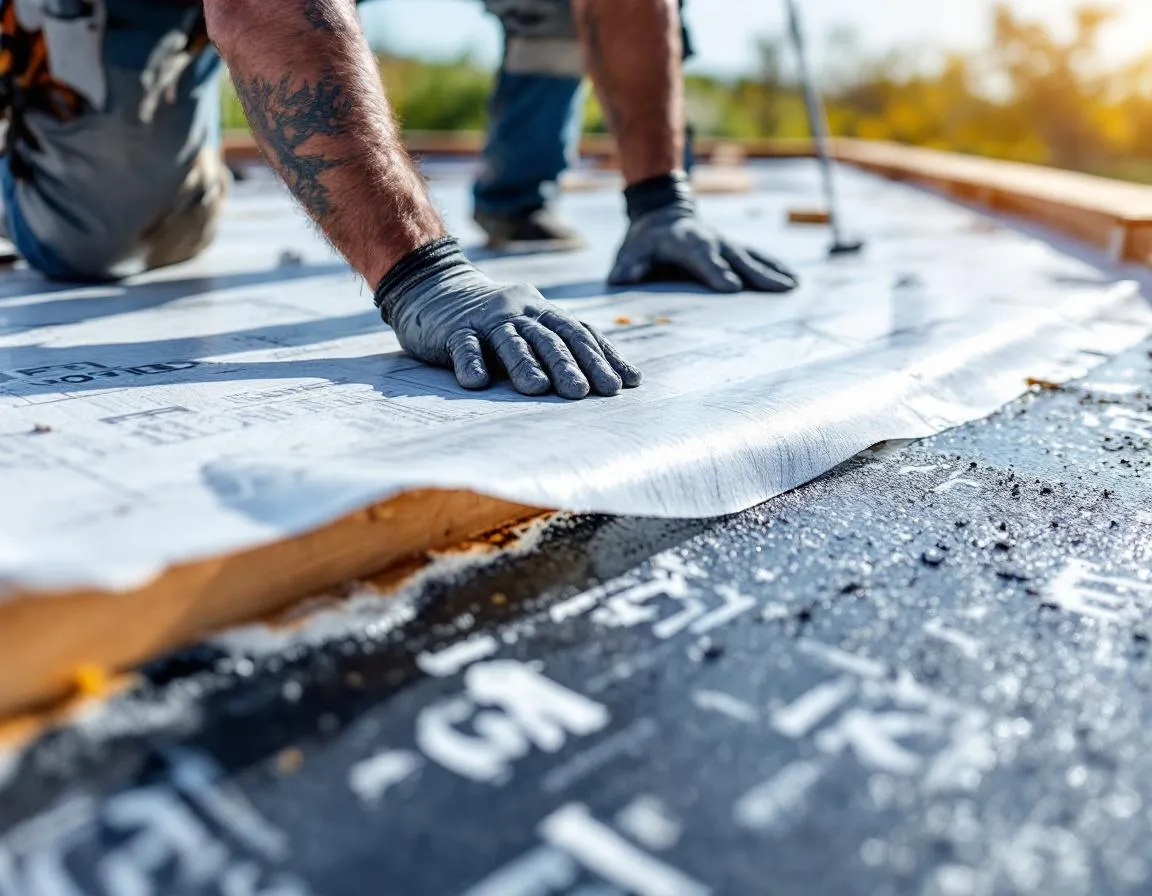
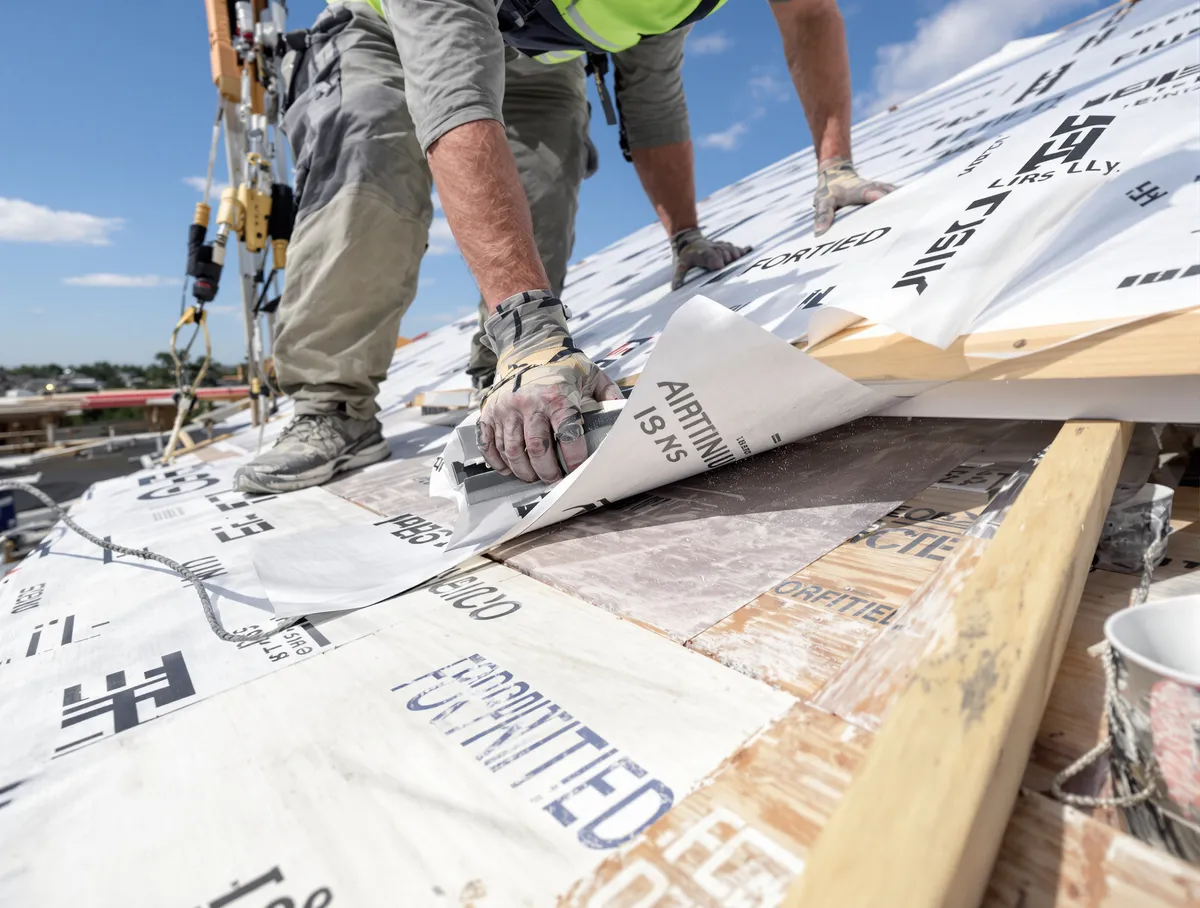
The incremental cost covers specific upgrades: a sealed roof deck (peel-and-stick underlayment or taped synthetic), enhanced nailing patterns (closer spacing, ring-shank nails in some cases), and proper drip edge metal. These are not exotic materials — they are standard products installed to a higher specification.
Example: FORTIFIED Roof Upgrade on a Typical Gulf Coast Home
Standard roof replacement: $12,000 – $18,000
FORTIFIED Roof upgrade (sealed deck, nailing, edge metal): +$1,500 – $2,500
FORTIFIED evaluation fee: +$500 – $800
Total with FORTIFIED: $14,000 – $21,300
Costs vary by region, roof size, material, and contractor. Get specific estimates for your home.
For a complete cost breakdown by level and information about grants and financing, see What a FORTIFIED Roof Upgrade Actually Costs →
Strengthen Alabama Homes Program
Alabama runs the most generous FORTIFIED incentive program in the country. The Strengthen Alabama Homes (SAH) program provides grants of up to $10,000 to homeowners who upgrade their roofs to FORTIFIED standards during a replacement or re-roofing project.
The math often works out to a free upgrade. If the FORTIFIED Roof increment costs $1,500 to $2,500, and the SAH grant covers up to $10,000, the grant can cover the entire FORTIFIED upgrade with money left over to offset the base roof replacement cost.
Eligibility requirements include: your home must be in Alabama, you must be the owner-occupant, the work must be performed by a FORTIFIED-certified contractor, and the project must be evaluated by an IBHS-trained evaluator. Funding availability depends on state appropriations — check current status at StrengthenALHomes.com.
The application process has specific steps and timing requirements. You typically need to apply before beginning work, receive approval, complete the work to FORTIFIED standards, pass the evaluation, and then receive reimbursement. Do not start work before your application is approved, or you may forfeit the grant.
How the FORTIFIED Certification Process Works
FORTIFIED certification is not self-declared. You cannot simply install a roof to FORTIFIED standards and call it FORTIFIED. The designation requires independent verification by an IBHS-trained evaluator at multiple stages of construction.
The process typically involves three evaluations. A pre-construction review confirms the plans meet FORTIFIED requirements. A mid-construction evaluation verifies the sealed deck and nailing before shingles are installed (this is critical — these elements are hidden once the roof is complete). A final evaluation confirms the finished installation meets all standards.
Upon passing, you receive a FORTIFIED certificate from IBHS. This certificate is what you provide to your insurance carrier to claim any applicable discount. The certificate includes your designation level, the date of evaluation, and the expiration date (five years from evaluation).
The evaluator is separate from your contractor. This independence is intentional — it ensures the verification is objective. Evaluator fees are typically $500 to $1,000 for the full evaluation process. See the full certification process breakdown →
Finding a FORTIFIED-Certified Contractor
Only FORTIFIED-trained contractors can install to FORTIFIED standards. Using a contractor without FORTIFIED training means your project will not qualify for certification, even if the materials and methods happen to meet the requirements. The training ensures the contractor understands the specific installation sequences and quality standards.
IBHS maintains a searchable directory of FORTIFIED-trained contractors and evaluators at FortifiedHome.org. Search by your zip code to find contractors in your area. In Alabama, where the program is most established, you will typically find multiple options. In Florida and Mississippi, the network is growing but may be more limited.
When interviewing contractors, ask specific questions. How many FORTIFIED projects have they completed? Can they provide references from FORTIFIED homeowners? Do they handle the evaluator coordination, or do you need to schedule evaluations separately? Experienced FORTIFIED contractors manage the evaluation process as part of the project.
Get at least three estimates, just as you would for any major home improvement project. Compare not only the total cost but also the scope of work, materials specified, and whether the estimate includes the FORTIFIED evaluation fees. See our contractor selection guide →
Putting It Together: Cost vs. Potential Savings
The financial case for FORTIFIED depends on your specific premium, your carrier's discount, and your time horizon. Here is a realistic scenario to illustrate the math — your numbers will differ.
Scenario: Alabama Homeowner With SAH Grant
Standard roof replacement: $15,000
FORTIFIED Roof upgrade: +$2,000
Evaluation fee: +$600
Strengthen Alabama Homes grant: -$10,000
Net cost of roof + FORTIFIED: $7,600
Net cost of FORTIFIED increment: $0 (covered by grant)
Grant availability varies. Check StrengthenALHomes.com for current funding status and eligibility requirements.
Scenario: Florida Homeowner Without Grant
Standard roof replacement: $16,000
FORTIFIED Roof upgrade: +$2,500
Evaluation fee: +$700
Total: $19,200
FORTIFIED increment: $3,200
Potential annual premium savings (10% on $3,500 premium): $350/year
Premium discounts vary by carrier and are not guaranteed. This example uses illustrative numbers — get actual quotes for your situation.
FORTIFIED Across the Gulf Coast States
Alabama leads the nation in FORTIFIED adoption. With the Strengthen Alabama Homes grant program, carrier discounts, and a well-established network of certified contractors and evaluators, Alabama homeowners have the strongest incentive structure available. Over 30,000 homes in Alabama have received FORTIFIED designation.
Florida's FORTIFIED landscape is growing. While Florida does not have an equivalent to the SAH grant program, some carriers are beginning to recognize FORTIFIED designation in their underwriting. Florida's existing wind mitigation inspection and discount framework (OIR-B1-1802) provides some overlap — many FORTIFIED features qualify for wind mitigation discounts even without the FORTIFIED designation specifically.
Mississippi offers a mixed picture. Some carriers in Mississippi recognize FORTIFIED designation, particularly along the coast. The state does not have a dedicated grant program comparable to Alabama's, though some communities and nonprofits have organized local funding initiatives. The certified contractor network is smaller than Alabama's but expanding.
Regardless of your state, FORTIFIED designation provides objective, third-party verification that your roof exceeds building code. That verification has value in every insurance conversation, even where formal discount programs are not yet established.
Common Misconceptions About FORTIFIED
"FORTIFIED is too expensive — it doubles the cost of a new roof."
FORTIFIED Roof designation may add $1,000 to $3,000 to a replacement you are already doing. That is a 10-15% increase on the total project — not a doubling. In Alabama, grants up to $10,000 may cover the entire cost of the FORTIFIED upgrade and then some.
Homeowners who assume FORTIFIED is unaffordable never investigate the actual numbers. The incremental cost is often far less than expected, and the insurance savings can offset it over time.
"My roofer says the roof already meets FORTIFIED standards."
FORTIFIED requires independent third-party evaluation by an IBHS-trained evaluator. A contractor cannot self-certify, and verbal assurances do not count. Without the formal evaluation process — including mid-construction inspections before the roof deck is covered — there is no way to verify compliance.
Homeowners who take their contractor's word miss out on the actual FORTIFIED certificate, which is the document that qualifies you for insurance discounts. Without the certificate, your carrier has no basis for a discount.
"FORTIFIED is only worth it in hurricane zones."
FORTIFIED standards protect against wind damage broadly, not just hurricanes. Thunderstorm winds, tornadoes, and severe weather cause billions in damage annually across the Gulf Coast and inland areas. The sealed roof deck and enhanced attachment protect against any high-wind event.
Homeowners outside the immediate coast may dismiss FORTIFIED as irrelevant, missing protection and potential insurance benefits that apply to their actual risk profile.
Test Your Understanding
Check Your Understanding
A FORTIFIED designation is valid for how long? What happens when it expires?
Five years. The designation requires re-evaluation at renewal. If the designation lapses, the insurance discount may be removed. Factor the re-evaluation cost (approximately $500-$1,000) into your long-term ROI calculation.
Frequently Asked Questions
Can I get FORTIFIED designation on my existing roof without replacing it?
In most cases, no. FORTIFIED Roof designation requires a sealed roof deck, which means the deck must be accessible during construction for inspection and sealing. This is only possible during a re-roof or new roof installation. Some retrofit scenarios may qualify, but they are uncommon. Check with a FORTIFIED evaluator for your specific situation.
Does FORTIFIED increase my home's resale value?
Research from the University of Alabama suggests that FORTIFIED designation can increase resale value, particularly in areas with high wind risk. Buyers benefit from the transferable insurance discount and the documented resilience of the home. The designation transfers with the property as long as it remains valid.
What roofing materials work with FORTIFIED?
FORTIFIED is material-agnostic for the most part. Asphalt shingles, metal roofing, tile, and other common materials can all meet FORTIFIED standards. The requirements focus on installation methods (nailing patterns, deck sealing, edge metal) rather than specific materials. Your contractor and evaluator can confirm material compatibility.
What happens if my roof is damaged after FORTIFIED certification?
Repairs to a FORTIFIED-designated roof should maintain FORTIFIED standards to preserve the designation. If the damage requires a partial or full re-roof, the repair work should be performed by a FORTIFIED-trained contractor and may need re-evaluation. Contact IBHS or your evaluator to understand the requirements for maintaining your designation after repairs.
Is FORTIFIED worth it if my carrier does not offer a discount?
FORTIFIED provides value beyond insurance discounts. The construction standards genuinely improve your roof's wind resistance, which means less damage during storms, fewer claims, and lower out-of-pocket repair costs. Even without a premium discount, a FORTIFIED roof may save you money by avoiding the damage that triggers claims in the first place.
Considering metal roofing for your FORTIFIED upgrade? Standing seam metal is a popular choice for FORTIFIED designation due to its wind performance and longevity. Gulf Coast Metal Roof Guide covers materials, costs, and coastal performance in detail. Visit Gulf Coast Metal Roof Guide
Insurance disclosure: This guide provides general educational information about the FORTIFIED program and its relationship to homeowners insurance. It is not insurance advice, a guarantee of premium discounts, or a promise of specific coverage outcomes. Insurance discounts for FORTIFIED designation vary by carrier, state, and policy. Grant program availability and amounts are subject to state funding and eligibility requirements. Always consult with a licensed insurance professional and verify current program details before making decisions based on this information.